QTherm infrared panels

Slim electric panels that heat with radiant warmth, evenly, quietly and without drying the air.

Manufacturer: Technotherm

QTherm infrared panel

They heat by radiation, not the air

Unlike conventional heaters that warm the air, infrared panels heat objects, walls and people. The warmth is even and comfortable, with no draughts, no dust being stirred up and no drying of the air. They run on electricity, including from photovoltaics.

Why an infrared panel?

An infrared panel heats with radiant warmth, much like the sun. The energy does not go into the air but straight to the surfaces, objects and people in the room. The result is comfortable warmth at low consumption, and the panel reacts quickly and works with almost no losses, unlike conventional heaters that warm the air first.

Warm surfaces, not warm air

Instead of warming the air, the panel heats walls, floor and objects, and through them the people in the room. The warmth is even, without drafts, air turbulence or stirred up dust. A good fit for allergy sufferers and demanding living spaces.

Efficient operation and precise control

Thanks to a fast response and direct heat transfer, the panel runs very efficiently. With programmable thermostats or app control, heating phases are precisely tuned, for the lowest consumption with the greatest comfort.

Simple installation, no piping

Unlike water based systems, infrared panels need no piping or central boiler. They connect directly to the power grid and mount on a wall or ceiling. Ideal for renovation, modernisation and flexible use, especially combined with photovoltaics.

How does an infrared panel work?

An infrared panel converts electrical energy into long wave infrared radiation. It is delivered directly to solid surfaces in the room, to walls, furniture and people, rather than primarily to the air. The surfaces store the heat and release it evenly. The result is a comfortable, stable climate with high efficiency and no air movement.

Heat by radiation, not by moving air

Unlike heaters that warm the air, the panel creates radiant heat. It passes through the air with almost no loss and turns into perceptible warmth only when it reaches surfaces. This gives an even spread of heat, without circulating dust or drying the air.

Even heat distribution across the room

The radiated energy warms every surface in the room, the floor, walls, ceiling and objects, which then act as heat stores. A uniform heat balance forms, even with open doors or a slight draft. The temperature difference between floor and ceiling shrinks, which raises comfort and optimises consumption.

Where are infrared panels used?

Infrared panels are versatile, from living spaces and damp rooms to old buildings and energy efficient new builds. They fit easily into existing and new concepts and offer efficient, maintenance free heating for everyone, from planners and installers to investors and end users.

Living rooms and offices

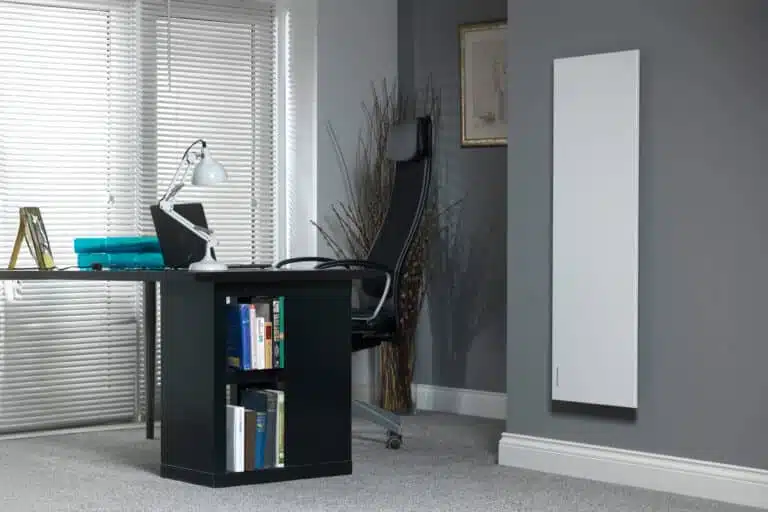
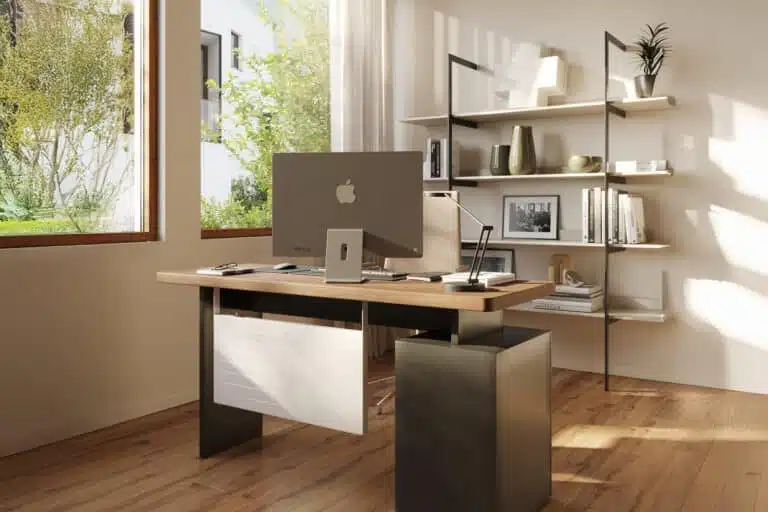
In living and working spaces the panel gives pleasant radiant heat without drafts. It fits easily into the room and the user feels comfort quickly.

Bathrooms and damp rooms

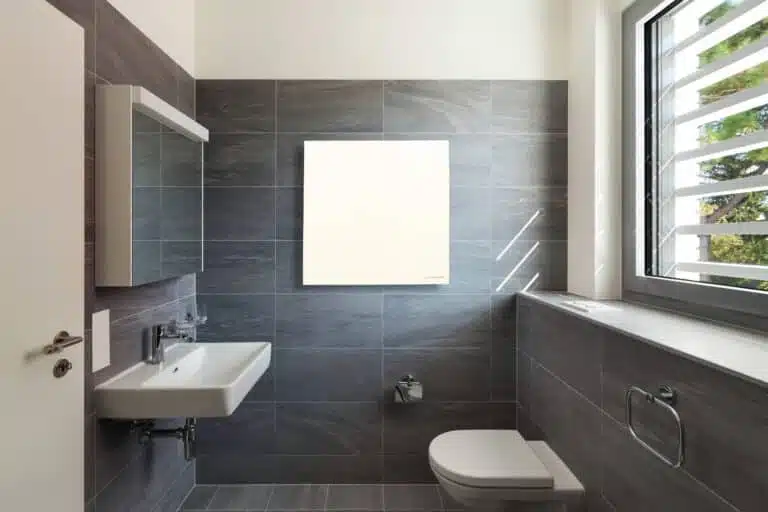
Infrared panels suit bathrooms and damp rooms, where radiant heat warms the space comfortably and quickly. A practical solution for rentals, renovations and private homes.

Old buildings and renovation

With low installation requirements, panels are ideal for modernisation. No work on the structure and no pipe laying, just mount and connect. A fit for owners, investors and private renovations focused on efficiency and simplicity.

New builds and energy efficient buildings

In new builds with low heating needs, panels are an economical, space saving solution. They are sized to demand and combined with photovoltaics, for high efficiency and low running costs.

Available power outputs

300 W580 W700 W1100 W

Choose the exact model and dimensions on klimatizacija.hr.

What does electric heating cost?

Infrared panels heat by radiation, warming surfaces and people rather than the air, so they feel comfortable even at a slightly lower air temperature. At Croatia's average 2026 electricity price (around €0.18/kWh), the cost depends on insulation, room size and how you use them.

RoomAreaInsulationUse / seasonCost (€0.18/kWh)
Bedroom (new build)15 m²good540 kWh~€97
Office (partly renovated)20 m²medium900 kWh~€162
Living room (older building)25 m²poor1,170 kWh~€211
Bathroom (intermittent)8 m²good108 kWh~€19

Basis: about 180 heating days per year, average electricity price €0.18/kWh (2026). Actual cost depends on insulation, habits and tariff. Figures are indicative.

Three ways to cut the cost

comfort

Radiant heat, comfortable at lower temperature

Infrared panels warm surfaces and people directly, so it feels comfortable even when the air is a degree cooler, which lowers consumption.

up to −60%

Photovoltaics

Your own solar power during the day means almost free heating. Bill reduction up to 60%.

zoning

Targeted zone heating

A panel heats exactly where you are, a work corner, bathroom or living room, without heating the whole home.

Explore QTherm infrared panels

Frequently asked questions

How do infrared panels heat?+

They heat by radiation, warming objects, walls and people instead of the air, so the warmth is even and draught-free.

Do they dry the air?+

No. Unlike convection heaters, they don't dry the air or stir up dust.

What power outputs are available?+

From 300 to 1100 W, depending on room size.

How much does infrared panel heating cost?+

At around €0.18/kWh (2026) and a season of about 180 days, heating a well-insulated 15 m² room costs roughly €97 per season. Radiant comfort at a slightly lower air temperature and zoned use can reduce this further. Actual cost depends on insulation and use.

Do infrared panels use a lot of electricity?+

Infrared panels are almost 100% efficient. Because they warm people and surfaces directly, comfort is reached quickly and often at a lower air temperature, which helps keep consumption down, especially for zoned or spot heating.

Do infrared panels heat efficiently?+

Yes. Radiant heat is felt immediately and warms objects and people rather than just the air, which is efficient for living spaces, bathrooms and work areas, particularly when sized correctly for the room.

Can infrared panels be combined with photovoltaics?+

Yes. Daytime solar power pairs well with infrared panels, so a large part of the heating demand can be covered by your own electricity, cutting cost by up to 60%.